Cost Savings From Improved Freight Restraint Systems
Transport businesses constantly look for ways to improve efficiency and manage operating costs.
Load restraint may seem like a small part of the overall transport operation. However, drivers repeat the restraint process across loads, deliveries and vehicles every day.
Improving this process can create benefits across an entire fleet.
A well-designed freight restraint system can help drivers work more efficiently, keep equipment organised and reduce unnecessary steps during loading.
Look Beyond the Initial Equipment Cost
When comparing load restraint equipment, businesses should consider more than the purchase price.
The way drivers use the equipment every day can also affect operational efficiency.
Transport operators should consider:
- Time required to secure and release loads
- Driver workflow
- Repetitive manual handling
- Equipment organisation
- Installation requirements
- Maintenance needs
- Replacement requirements
- Consistency across different vehicles
A practical system can help simplify these everyday tasks.
Reduce Time Spent Managing Restraint Straps
Traditional load restraint can require drivers to manually throw straps over freight.
The strap may not land correctly on the first attempt. Drivers may need to retrieve it, reposition themselves and throw it again.
These extra steps take time.
An improved freight restraint system can provide a more controlled way to position and manage straps.
Reducing unnecessary steps can help create a smoother loading process.
Improve Driver Workflow
Efficiency also depends on how easily drivers can access and use their equipment.
Loose restraint straps can become tangled or misplaced. Drivers may spend additional time preparing them before securing a load.
Keeping restraint equipment organised helps create a more consistent process.
Drivers know where their equipment is and can move through each stage of load restraint more efficiently.
Reduce Unnecessary Manual Handling
Repeated strap throwing can add physical effort to the driver’s working day.
A driver may perform the same movement many times across multiple loads.
Businesses can improve their restraint procedures by reducing unnecessary repetitive movements wherever practical.
Better equipment can support this approach while maintaining an effective load restraint process.
Improve Efficiency Across the Fleet
Small improvements can become more significant when businesses operate several vehicles.
For example, a more efficient restraint process may help improve:
- Loading and unloading workflows
- Vehicle turnaround
- Equipment organisation
- Driver consistency
- Fleet procedures
The actual benefits will vary depending on the vehicle, freight and daily operation.
However, reviewing frequently repeated tasks can help transport businesses identify opportunities to improve truck fleet efficiency.
How StrapNGo Supports Transport Efficiency
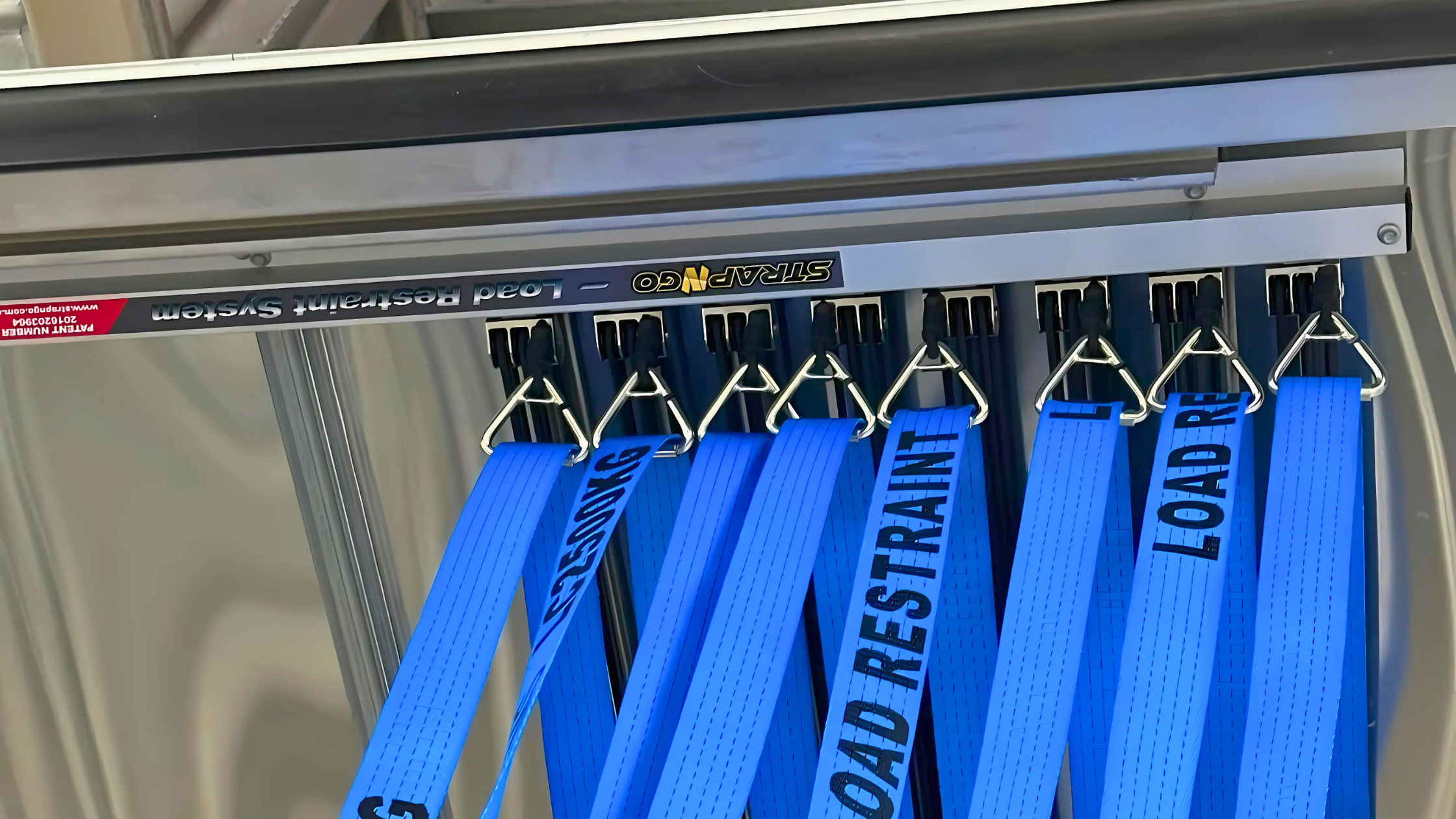
The StrapNGo Load Restraint System provides a practical way to manage restraint straps on compatible curtain-sided trucks and trailers.
The system helps drivers guide and position straps without relying on repeated manual strap throwing.
It also keeps the restraint system organised and accessible.
This can help drivers follow a more consistent process while working from ground level.
Retrofit Existing Vehicles or Include It in New Builds
Improving your restraint process does not always mean replacing your vehicles.
StrapNGo can be retrofitted to compatible existing curtain-sided trucks and trailers. Operators can also incorporate the system into suitable new builds.
This gives businesses flexibility when introducing an improved load restraint system in Australia across their fleet.
Invest in a More Efficient Restraint Process
The value of a freight restraint system extends beyond the equipment itself.
Transport operators should consider how the system affects everyday loading, driver movements, equipment management and overall efficiency.
By simplifying a task that drivers perform regularly, businesses can create a more streamlined load restraint process.
Looking to improve load restraint across your fleet? Explore the StrapNGo Load Restraint System or contact the StrapNGo team to discuss your requirements.
Contact StrapNGo to discuss your fleet or explore the available load restraint products.