
A driver standing on the roadside, reaching up with straps and fighting a shifting load, is not just losing time. They are carrying unnecessary risk. That is exactly where patented load restraint technology changes the job – not in theory, but in the day-to-day reality of loading curtain-sided trucks and tautliners across Australia.
For fleet operators, owner-drivers and workshop teams, load restraint is never just a box-ticking exercise. It affects driver safety, turnaround times, compliance pressure and how much physical effort is required on every run. A restraint system that reduces climbing, stretching and repeated manual handling can make a measurable difference to both safety performance and productivity.
What patented load restraint technology actually means
The term gets used loosely in transport, but not every restraint setup represents a genuine design improvement. Patented load restraint technology refers to a restraint system built around an original, protected design that solves a specific operational problem in a different way from conventional methods.
In practical terms, that matters because the challenge inside a tautliner is well understood. Freight still needs to be secured properly, but traditional approaches often rely on repeated manual strapping, awkward reach, and extra labour around the vehicle. The more often a driver has to climb, stretch, reposition or work close to traffic, the more exposure there is to injury and delay.
A patented system should do more than replace one strap with another. It should change the restraint process itself. That might mean integrating restraint points into the truck body, allowing freight to be secured from a safer working position, or reducing the number of manual steps needed to complete the job.
Why the old way creates ongoing risk
Most transport operators already know the weak points. The issue is not whether conventional restraint can work. It can. The issue is how much labour, time and risk it takes to get there.
With standard internal load restraint methods, drivers can be required to handle straps repeatedly across multiple drops, often under fatigue and in less-than-ideal conditions. Wet weather, uneven ground, tight loading bays and roadside stops all add pressure. Even when the load is straightforward, the process can still involve twisting, overreaching and working at height.
This is where safety conversations need to stay honest. A system might be technically compliant on paper while still exposing drivers to avoidable hazards in practice. If a safer process exists, and it also saves time, many operators will see little value in sticking with a labour-heavy method simply because it is familiar.
There is also the productivity cost. A few extra minutes per load or per stop does not sound dramatic until it is multiplied across a fleet, a week or a financial year. Loading inefficiency has a habit of becoming normalised because it is spread across small repeated tasks.
How patented load restraint technology improves safety
The strongest case for patented load restraint technology is that it reduces the physical demands of securing freight without reducing restraint performance. For transport businesses, that is the balance that matters.
A well-designed system allows the driver to secure loads with less climbing, less reaching and less direct handling of straps inside the truck body. That lowers exposure to strains, slips and awkward movements. It also helps reduce time spent working in vulnerable positions beside the vehicle or near passing traffic.
For workshop and operations managers, this matters beyond individual incidents. Safer restraint processes support broader workplace obligations. They help demonstrate that the business is not only supplying equipment, but also improving the way loading tasks are carried out. That is a meaningful difference when reviewing risk controls, induction procedures and driver feedback.
The other safety benefit is consistency. Manual methods can vary from one person to another, especially under pressure. Integrated restraint systems help standardise the process, which can make training simpler and daily use more reliable. Consistency does not remove the need for proper loading practice, but it can reduce the chance of shortcuts developing over time.
The productivity gains are just as important
Safety leads the conversation, but productivity is usually what drives broader rollout across a fleet. If a restraint system only improves safety while adding complexity, adoption can stall. Operators need a solution that works commercially.
That is why patented load restraint technology has gained attention in curtain-side applications. When the system is built into the truck body and designed for fast access, drivers can secure freight more efficiently and move on to the next task sooner. Less time spent managing straps means quicker loading, quicker unloading and less downtime between jobs.
For multi-drop work, the time savings can be even more noticeable. Repeated restraint tasks magnify inefficiency. A process that trims even a small amount of handling at each stop can create a real operational advantage over the course of a shift.
There is a labour benefit as well. Reducing the physical effort required for restraint can make the role more sustainable for drivers and yard staff. In a market where experienced operators are hard to replace, that matters. Better equipment does not solve workforce pressure on its own, but it can remove part of the daily friction that wears people down.
Where patented load restraint technology fits best
Not every freight task is identical, and restraint decisions should reflect that. The best fit for patented load restraint technology is generally inside tautliners and curtain-sided trucks where operators want a safer, faster way to restrain loads during regular freight movement.
This is particularly relevant for fleets handling palletised freight, distribution work, regional runs and general freight where loading frequency is high and time pressure is constant. In those environments, repeated manual restraint creates both injury exposure and lost time.
Compatibility also matters. Operators do not want a system that only works on a narrow slice of the fleet. The practical value is much higher when the restraint setup can be integrated across common truck platforms and installed through established truck body builders and stockists. That gives procurement teams and workshop managers a realistic path to standardisation.
There are trade-offs, of course. Any integrated system needs to suit the truck body, the freight profile and the operating environment. Businesses should look closely at installation requirements, driver training and how the system performs across different load types. The right answer depends on the fleet, but the direction is clear – simpler, safer restraint processes are increasingly the smarter commercial choice.
What to look for in a genuine commercial solution
If you are assessing options, the core question is straightforward. Does the system reduce risk and improve loading efficiency in a way that works in real fleet conditions?
That starts with design credibility. A patented system should show a clear reason for existing. It should address a known operational problem, not just present a cosmetic variation on conventional gear. Australian-made manufacturing can also be a significant advantage, particularly when durability, local supply and support matter.
Installation pathways are just as important as product quality. A restraint system only becomes useful at scale when it can be fitted through trusted truck body builders and servicing channels. That is what turns a good idea into a workable fleet solution.
It is also worth looking at the supporting hardware around the system itself. Components such as track, bungee units and extendable poles with hooks can influence how quickly and safely the restraint process is carried out. The best results come from a complete setup where each part supports the same goal – safer freight restraint with minimal labour.
For Australian operators running brands such as Isuzu, Iveco, Fuso, Hino, Sitrak, UD Trucks, Mercedes-Benz and Scania, compatibility should not be an afterthought. It should be part of the purchasing conversation from the start.
Why this shift matters now
Transport businesses are under pressure from every angle – safety expectations, labour shortages, delivery windows and operating costs. In that environment, sticking with a load restraint method that is slower and harder on drivers simply because it is familiar is becoming harder to justify.
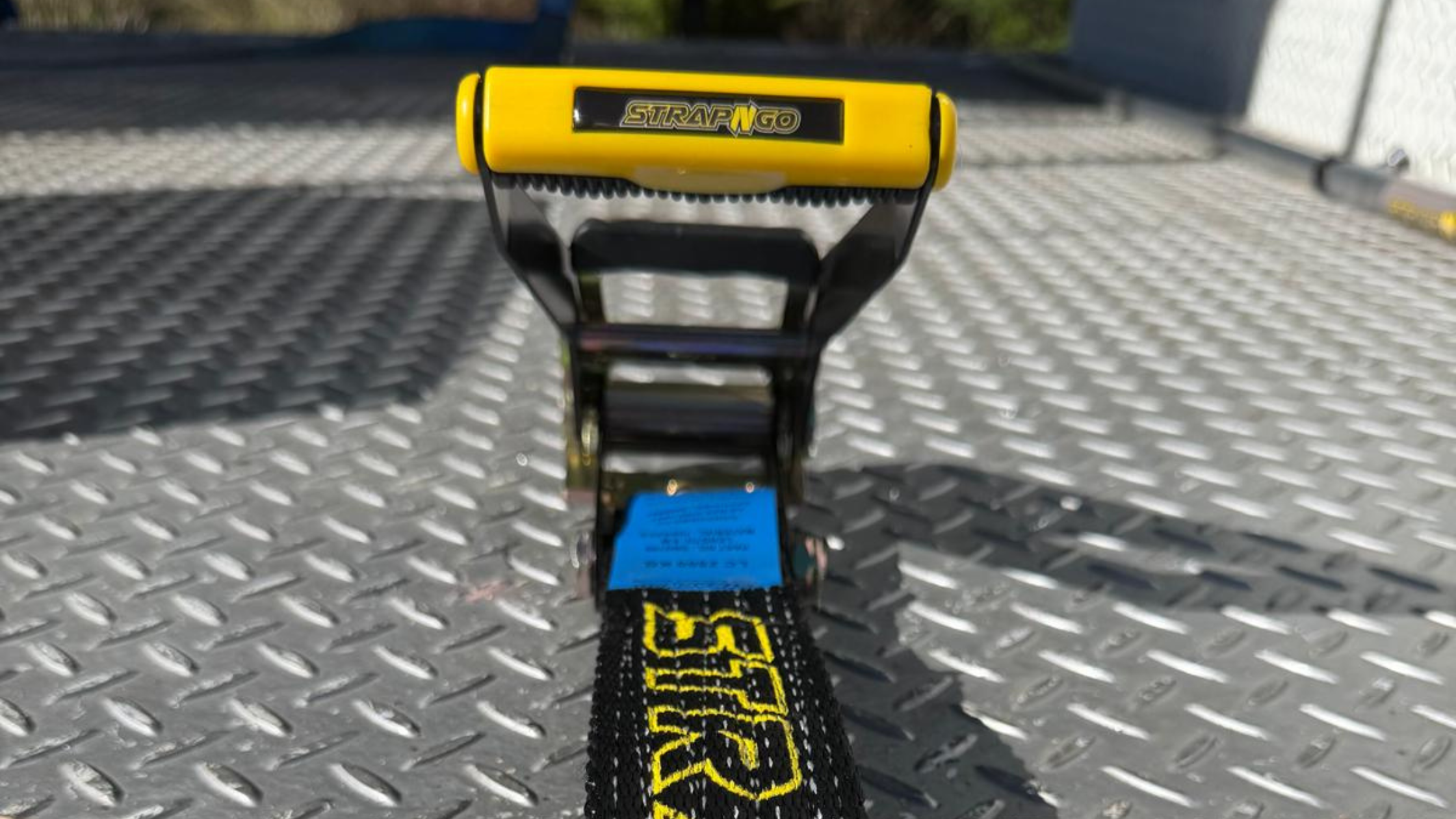
Patented load restraint technology offers a practical response. It improves the way freight is secured without asking drivers to absorb the inefficiency and risk of older methods. That is why specialist Australian manufacturers such as StrapNGo are getting traction with fleets, owner-drivers and truck body builders that want restraint systems designed for real working conditions, not showroom claims.
The businesses that move early on safer restraint systems are not chasing novelty. They are making a straightforward operational decision. If a better process protects drivers and helps trucks get back on the road faster, that is not a nice extra. It is a smarter way to run transport.