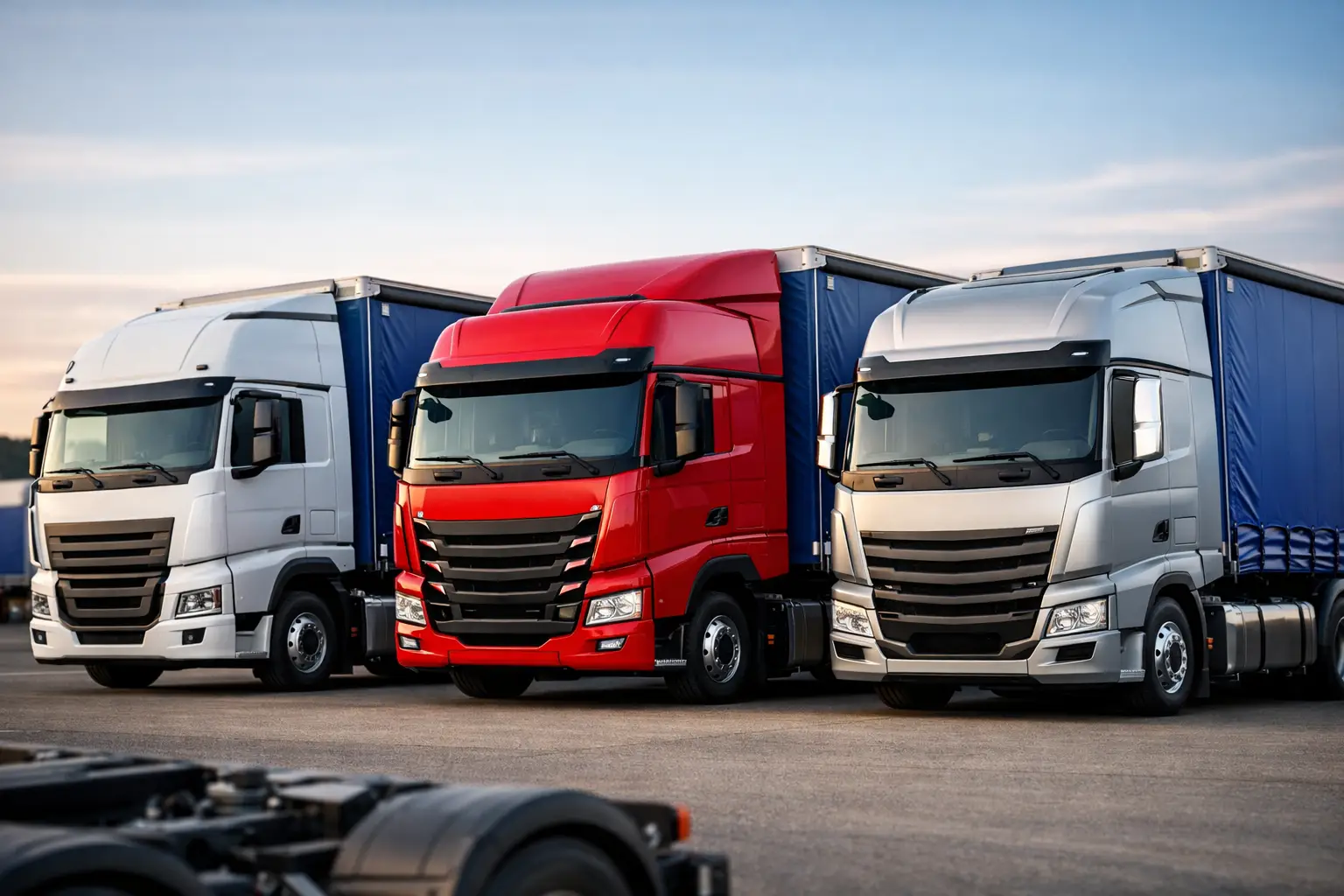
A tautliner can look standard from the outside, but anyone running a mixed fleet knows the details rarely are. Tautliner compatibility by truck brand is not just about whether a restraint system can be fitted. It is about how the body has been built, how the freight is loaded, and whether the setup improves safety and productivity without creating extra work for drivers or the workshop.
For fleet operators, owner-drivers and body builders, that distinction matters. A poor fit can slow loading, interfere with curtains, or leave drivers relying on awkward manual handling. A well-matched system does the opposite. It fits the truck body properly, works with the load space, and reduces the physical effort needed to secure freight.
Why tautliner compatibility by truck brand matters
In practice, truck brand is the starting point, not the whole answer. Brands such as Isuzu, Iveco, Fuso, Hino, Sitrak, UD Trucks, Mercedes-Benz and Scania are common across Australian freight operations, but each can be paired with different body configurations depending on the application. The cab chassis may come from the truck manufacturer, while the tautliner body, track arrangement and internal dimensions are determined by the body builder.
That means compatibility needs to be assessed at two levels. First, the truck brand and model can influence available dimensions, mounting points and operating clearances. Second, the actual curtain-sided body determines whether the restraint system integrates cleanly with the structure already in place.
This is where some buyers get caught out. They ask whether a system suits a Hino or a Scania, when the better question is whether it suits the specific tautliner body fitted to that vehicle. The badge matters, but the body build matters more.
What to check before fitting a restraint system
A proper compatibility check should focus on the truck body as it exists in service, not just on a brochure specification. Internal height, side access, track position and curtain operation all affect fitment. If the system includes track, poles, hooks or other hardware, those components need to work without obstructing loading or creating pinch points for the driver.
The loading task also matters. A metro distribution truck handling frequent drops has different needs from an interstate unit carrying palletised freight over longer distances. One operation might need fast side access several times a day. Another might prioritise restraint consistency across a wide range of load types. Compatibility is not only mechanical. It is operational.
Workshop teams should also look at installation practicality. Can the system be fitted cleanly through the existing body structure? Will it require modifications that affect downtime? Can replacement parts be sourced locally if required? In a busy fleet, a system that looks fine on paper but complicates maintenance will become a problem quickly.
Body builder variation changes the picture
Two trucks from the same brand can have very different tautliner bodies. One may have internal dimensions and rail placement that suit a restraint setup immediately. Another may need changes to accommodate the same equipment. That is why body builder input is valuable early in the process.
For fleets ordering new vehicles, compatibility is easier to manage when restraint requirements are considered before the body is built. For existing trucks, an inspection of the current body layout gives a more reliable answer than relying on brand alone.
Brand-by-brand reality in Australian fleets
When people ask about tautliner compatibility by truck brand, they are usually trying to manage risk across a mixed fleet. They want to know whether one restraint solution can work across multiple makes without turning every install into a custom job.
In many cases, the answer is yes, but with conditions. Common Australian fleet brands are widely used in curtain-sided applications, and many can accommodate the same style of restraint system where the body design allows. That includes Japanese, European and newer market entrants alike. The deciding factors are usually body dimensions, rail placement, structural mounting suitability and how the curtains are used day to day.
Isuzu, Hino and Fuso are frequently seen in local and regional distribution, where loading speed and driver effort have a direct effect on daily productivity. UD Trucks and Iveco often appear in similar applications, with body setups that vary by task and payload. Mercedes-Benz and Scania are common in heavier fleet and linehaul work, where consistency, durability and compliance become a larger part of the discussion. Sitrak is increasingly part of the conversation as fleets broaden their purchasing mix.
The point is not that one brand is inherently harder to fit than another. It is that each brand enters service with different body combinations, and those combinations need to be checked properly.
Safety and productivity should lead the decision
Compatibility is only useful if it improves the job. A restraint system that technically fits but still forces drivers into repetitive reaching, climbing or wrestling with straps is not delivering much value. In transport, safety and productivity usually move together. When the restraint process is simpler and more controlled, drivers spend less time exposed to roadside hazards and less effort handling equipment manually.
That is particularly relevant for tautliners because side loading can be fast, but it can also become messy when restraint gear is awkward or inconsistent. The right system should help drivers secure freight with minimal labour, maintain access inside the body and reduce the chance of poor restraint practice under time pressure.
For operators, that translates into fewer delays, easier training and a more consistent standard across the fleet. For drivers, it means less strain and a safer loading routine. Those are commercial outcomes, not just workshop preferences.
Mixed fleets need consistency
Mixed-brand fleets often struggle with variation. If every truck uses a slightly different restraint method, training becomes harder and compliance relies too much on individual habit. A compatible system that can be used across multiple truck brands and body types helps create a more uniform process.
There is still room for vehicle-specific checks, of course. But standardising where possible reduces complexity. It also makes life easier for procurement teams and workshops, because they are not managing a different solution for every unit in the yard.
How to assess compatibility properly
A practical assessment starts with the body, the load and the driver task. Measure the available internal space, inspect where hardware would be mounted and check how the curtains travel. Then look at the freight profile. Pallet dimensions, load heights, access frequency and restraint points all affect what will work.
After that, consider the operating environment. A truck doing single-drop warehouse work may tolerate a different setup from one doing multi-drop roadside deliveries. One fleet may accept a more fixed arrangement if loads are predictable. Another may need flexibility because freight changes from run to run.
This is also where an Australian-made, patented system with established installer support has a real advantage. It is not only about the product itself. It is about knowing the system has already been fitted across major truck brands and supported through local body builders and stockists. For a fleet manager, that lowers uncertainty. For the workshop, it shortens the path from assessment to install.
StrapNGo has built its approach around that practical reality – safer restraint inside tautliners, reduced labour and fitment across major truck brands commonly used in Australia.
The better question to ask
Instead of asking, “Is this compatible with my truck brand?” ask, “Will this work properly with my tautliner body, my freight task and my drivers?” That question leads to better decisions.
Truck brand remains relevant because it shapes the starting platform. But if you stop there, you may miss the details that decide whether the system genuinely performs in service. Good compatibility is not a box to tick. It is the point where body design, restraint method and daily operations line up.
If you are reviewing a new fit-out or standardising an existing fleet, treat compatibility as an operational check, not a catalogue label. When the restraint system suits the truck body and the job, safety improves, loading becomes faster and the result is easier to live with over the long haul.
The best setup is the one that works on the ground at 5 am, in the yard, at the dock and on the roadside – every day, on every run.