
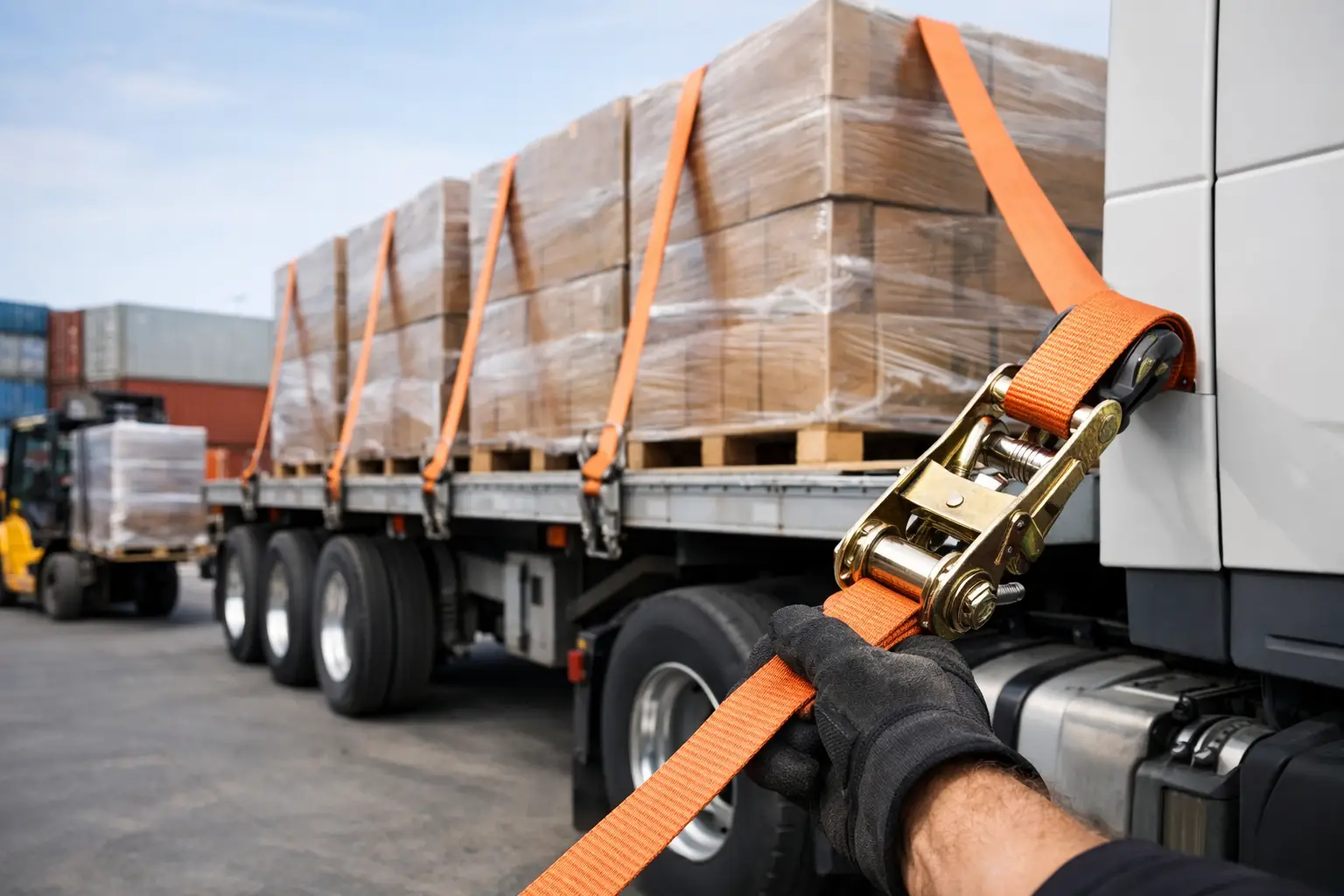
A load that shifts half a metre in transit can turn a routine delivery into damaged freight, a failed roadside inspection or a serious injury during unloading. That is why the question what is load restraint matters well beyond compliance. In practical terms, load restraint is the method of securing freight so it stays stable during normal driving, heavy braking, cornering, acceleration and rough road conditions.
For Australian operators running tautliners and curtain-sided trucks, load restraint is not just about tying cargo down and hoping for the best. It is a system. It includes the restraint method, the equipment being used, the condition of that equipment, the way freight is packed and positioned, and the way drivers interact with it on the job. When any one of those parts is weak, the whole job becomes less safe and less efficient.
What is load restraint and why does it matter?
At its core, load restraint means preventing cargo from moving in a way that creates risk. That risk can show up in several ways. Freight can slide forward under braking, lean into the curtain on a turn, fall during unloading, or place uneven force on the truck body. Even when a load does not fully break free, minor movement can still damage product, strain equipment and create extra manual handling for the driver.
In Australia, load restraint also sits squarely within chain of responsibility and workplace safety expectations. Operators, fleet managers and drivers all have a stake in getting it right. If the restraint method is not suitable for the load or the vehicle, the result is not just operational disruption. It can mean fines, insurance issues, delivery delays and exposure to avoidable injury.
That is why good load restraint is judged on two outcomes. First, it keeps people safe. Second, it supports a productive loading and unloading process without adding unnecessary labour.
Load restraint is more than straps and curtains
One of the most common misunderstandings in freight transport is assuming the curtain itself restrains the load. On a curtain-sided truck or tautliner, the curtain is primarily there for weather protection and containment. Unless the body and restraint system have been specifically designed and rated to work together, the curtain should not be treated as the main restraint method.
The real restraint comes from the equipment inside the body and how it is used. That can include straps, tracks, anchor points, gates, load bars and other purpose-built systems. The right setup depends on the freight type, its weight, its shape, how often it is loaded and unloaded, and whether the vehicle is doing metro multi-drop work or longer interstate runs.
This is where many businesses weigh up a trade-off. A basic restraint setup may seem cheaper at the start, but if it takes longer to use, increases driver strain or is inconsistently applied across the fleet, those hidden costs build quickly. A better-designed system often pays its way through safer handling and faster turnaround.
How load restraint works in real operating conditions
A truck on the road places force on freight in several directions. Under braking, the load wants to continue moving forward. In a corner, it shifts sideways. On acceleration, it can move rearward. On uneven roads, it bounces and settles. A proper restraint method controls those forces so the load stays where it was placed.
That control can be achieved in different ways. Tie-down restraint uses downward force to increase friction between the load and the deck. Direct restraint limits movement by holding the load in place against the expected forces. Containment relies on structural parts of the body when they are designed and rated for that role. In practice, many operators use a combination.
The right method depends on the freight. Palletised stock, steel, machinery, building products and awkward mixed loads all behave differently in transit. A one-size-fits-all answer usually creates trouble. What works for stable boxed freight may not be enough for taller, irregular or high-centre-of-gravity loads.
The safety problem with manual restraint
When people ask what is load restraint, they often think only about the load itself. But for fleet operators, the restraint process matters just as much. If securing freight requires repeated climbing, reaching, heavy pulling or working close to live traffic, the restraint method can introduce its own safety risk.
This is a major issue on curtain-sided trucks. Traditional restraint methods often involve throwing straps, walking the full length of the body multiple times, tightening by hand and working in awkward postures. Over time, that creates fatigue and increases the chance of shoulder, back and slip injuries. It also slows down loading, especially on multi-stop runs where drivers are securing and releasing freight all day.
A practical load restraint system should reduce those risks, not add to them. That means thinking beyond rated capacity alone. It means looking at how the system is actually used in a yard, at a customer site or on the roadside in poor weather. If the process is cumbersome, operators will always be exposed to inconsistency.
What good load restraint looks like for tautliners
For tautliners and curtain-siders, a good restraint system needs to do three things well. It must secure the freight properly, it must be quick to use, and it must reduce physical effort for the driver.
That is why more operators are moving toward integrated restraint systems built into the truck body rather than relying entirely on loose equipment. A well-designed track and strap arrangement can make restraint faster and more repeatable. When paired with tools that reduce overhead reaching and manual effort, the safety gain is immediate and the productivity gain is measurable.
This matters most in fleets where several drivers use the same vehicle. A system that is built into the body helps standardise the restraint process across the operation. It also makes training simpler and reduces the chance of straps being misplaced, damaged or applied inconsistently.
For many Australian freight businesses, that balance of safety and efficiency is the point. The best restraint system is not the one that looks good in theory. It is the one drivers will use properly every day under real working conditions.
Common mistakes that weaken load restraint
Even experienced operators can run into problems when the basics are rushed. One issue is poor load placement. If freight is unevenly distributed, restraint equipment can only do so much. Another is using damaged or worn gear. Frayed straps, bent fittings and compromised anchor points reduce the integrity of the whole setup.
There is also the problem of mismatch. Restraint equipment may be serviceable, but not suited to the type of load being carried. Mixed freight is a common example. A method that secures uniform pallets may not adequately control smaller or irregular items packed between them.
Then there is human behaviour. If a restraint process takes too long or creates unnecessary effort, shortcuts start appearing. That is not just a training issue. Often it is a system design issue.
Choosing a load restraint system for your fleet
If you are reviewing your setup, start with the operating reality of the fleet. Look at freight type, delivery frequency, truck body style, loading environment and the level of manual handling involved. A system that suits a single-vehicle owner-driver may not suit a larger fleet with multiple depots and mixed work.
It is also worth asking where your current costs sit. Some are obvious, like replacement gear and installation. Others are less visible, such as slower turnaround, driver fatigue, product damage and time lost re-securing loads. In many cases, a more integrated restraint solution improves both safety and labour efficiency at the same time.
This is where purpose-built systems can make a genuine difference. For operators using tautliners, a patented Australian-made setup such as StrapNGo is designed around exactly that problem – securing loads safely while reducing labour and helping drivers work more efficiently inside curtain-sided bodies.
Why load restraint should be reviewed, not assumed
Load restraint is not something to set once and forget. Freight tasks change. Vehicles change. Customer sites change. What worked for one contract or route may not be the best fit for the next. Regular review helps pick up issues before they become incidents, especially in fleets where equipment sees daily use across different drivers and different freight profiles.
The goal is not to overcomplicate the job. It is to make the safe method the practical method. When restraint equipment is easier to use, properly integrated and suited to the task, compliance becomes more achievable because the process works with the day’s operation instead of slowing it down.
For any transport business asking what is load restraint, the shortest useful answer is this: it is the system that keeps freight under control and people out of harm’s way. The better question is whether your current method is doing that reliably, every trip, without wearing your drivers out in the process.